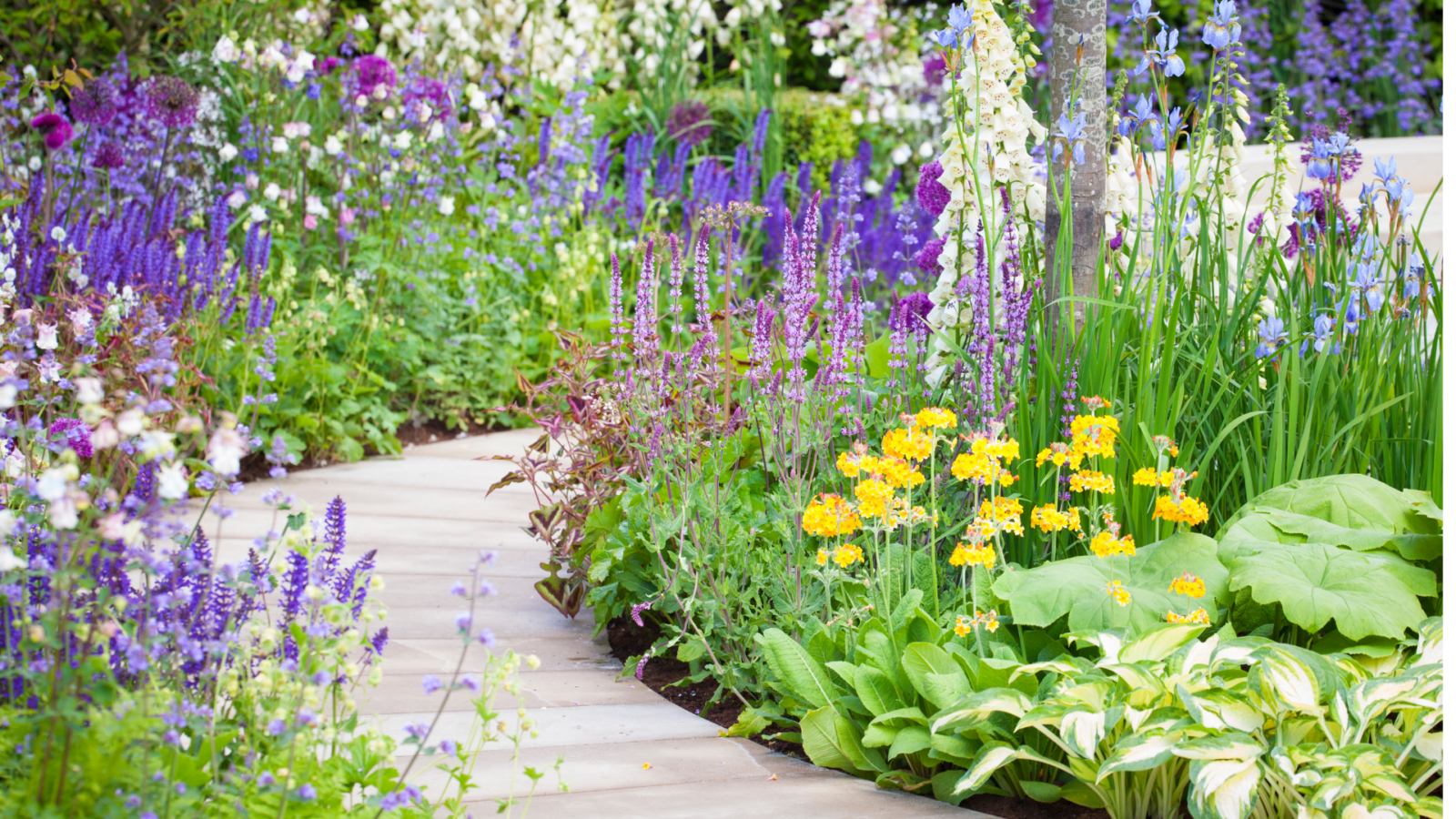
Every spring at the nursery, there are beautiful blooming Hollyhocks (Alcea rosea), Foxgloves (Digitalis purpurea), Gloriosa Daisy (Rudbeckia hirta), and Canterbury Bells (Campanula medium) on the perennial table.
But they aren’t really perennials. They are self-seeding biennials. That means those plants you’re buying this year for gorgeous color in that one spot won’t be there the following year. The nursery plants are 2-year-olds, and this is their year of bloom.

How to Keep Biennials Blooming in Your Garden
The simplest way is simply to not deadhead them!
They’ll self-seed. The seeds are almost all very tiny and don’t need to be covered with soil. But don’t be too tidy around that area. You can end up raking those seeds (did I mention they’re tiny and usually dark?) right out of the bed and into your compost. You might have beautiful blooming compost in a couple of years and be pleasantly surprised.
Biennials go through a 2-year growth cycle. The first year they are usually a small rosette of leaves that appears to die back in the winter; nothing spectacular. But…the next spring that rosette forms again and sends up a flower stalk. That’s the life stage you see at the nursery, and you can have that happen in your own garden.
But you didn’t bargain for a bare spot in your garden the 2nd year; you want those blooms every single year. Simple remedy: two years in a row, you buy that plant from the nursery. They self-seed and bloom in their second year. When you’ve staggered the initial planting, you’ve also staggered the 2-year life cycle. And because each flower produces tons of seeds, those two plants you bought are now a flourishing sweep of timeless biennials. Setting seed, quiet rosette, and magnificent blooming year after year.

How Can You Tell a Biennial from a Perennial?
This is where knowing your plant identification comes in handy. Very few nurseries will key you in to the difference. But, because we’re plant people who are always learning, we’re keen to find out everything we can about a new plant addition to our garden. Right? Google Lens is a good start, or a plant encyclopedia, or a knowledgeable friend in your Garden Club to ID and share their experience with that biennial. You want to create optimum conditions for that newbie.
FYI: Even when a tag says “perennial,” that doesn’t guarantee it behaves as a perennial in your yard. Hardiness zone and microclimate matter more than the word on the tag. A plant labeled perennial may die if you’re on the edge of a colder zone or planted in a part of your yard subject to harsh winter winds.
Biennials are even trickier: you may not realize they’re biennial until the plant spends year one as a leafy rosette and only blooms in year two. Nurseries often avoid the term because it confuses buyers.
I happen to love old-fashioned flowers, and many of the oldies-but-goodies are biennials. For example: Hollyhocks (Alcea rosea) and Foxglove (Digitalis purpurea) are two of my favorites. I start Foxglove from seed (in late January) and know there will be no blooms until next year. It’s a gift to myself. I’m always surprised when they send up flower stalks. Why is it that we forget what we’ve planted so quickly? Maybe that’s just me?
And I wax nostalgic about these old-fashioned blooms; they carry me into the past where my grandmother shows me how to make hollyhock dolls, and we have tea sitting beside the Sweet William border.
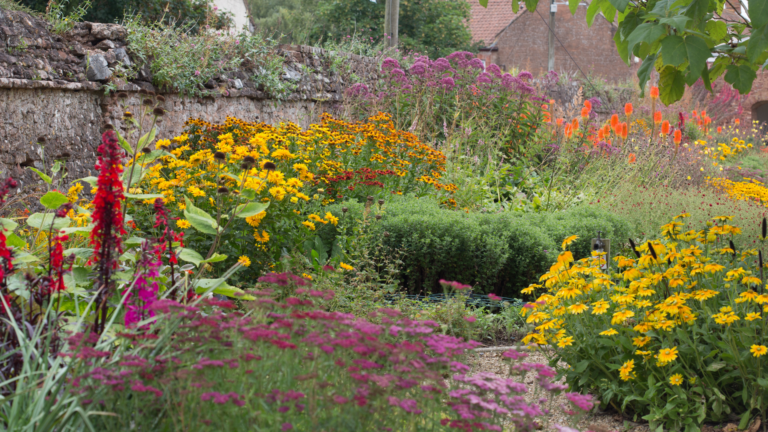
Blooms Appear as if the Garden Itself Remembered
Biennials force you to garden like a cottage gardener: You must sow ahead, let things self‑seed, and embrace imperfection. The plants themselves shape the gardener’s behavior — and your behavior shapes the aesthetic.
You get that cottage‑garden vibe because biennials grow in loose, romantic, slightly unpredictable patterns. They bloom in dramatic vertical spires, like Hollyhocks, or nostalgic clusters, like Canterbury Bells, and self‑seed in a way that makes the garden feel lived‑in, loved, layered, and old.
Old‑fashioned biennials like Foxglove, Hollyhock, Sweet William, Gloriosa Daisy, and Canterbury Bells scatter seed freely. This creates:
- happy accidents
- drifts of flowers in unexpected places
- a sense of abundance and generosity
- a garden that looks like it’s been tended for decades
Self‑seeding is one of the defining traits of cottage gardens. It is also very easy gardening. You just have to be able to identify that rosette or seedling as a biennial flower and not a weed. Sometimes self-seeding puts a few plants where you’d prefer they not be. Carefully dig them up, pot them, and share at your next Garden Club Plant Sale.
If you want a tapestry of old-world blooms, tap into the world of biennial plants. For biennial growing tips, this article in Horticulture Magazine will show you the path. Did I mention it meanders a bit?
The Kalamazoo Garden Council Club members are a wealth of knowledge. From flower arranging to landscape design to native plants to environmental activities, our Clubs welcome you.