
Gardeners Who Influenced American Culture
Gardening has always been more than soil and seeds. It’s a way of shaping how people see their surroundings, how they care for their neighborhoods, and how they imagine the future. Long before environmental policy had a name, women across the country were already doing the work — planting wildflowers, organizing clubs, distributing seeds, and teaching their communities that beauty is a civic responsibility.
Their influence wasn’t loud. It wasn’t partisan. It was persistent, rooted, and transformative. And today, as members of the Kalamazoo Garden Council, we stand on the shoulders of women whose gardens changed worldviews.
This is a tribute to three of them: Lady Bird Johnson, the Ladies Garden Club of Athens, Georgia, and Carrie H. Lippincott — women whose horticultural leadership shaped American culture in ways still blooming today.

Lady Bird Johnson: Wildflowers as a National Language
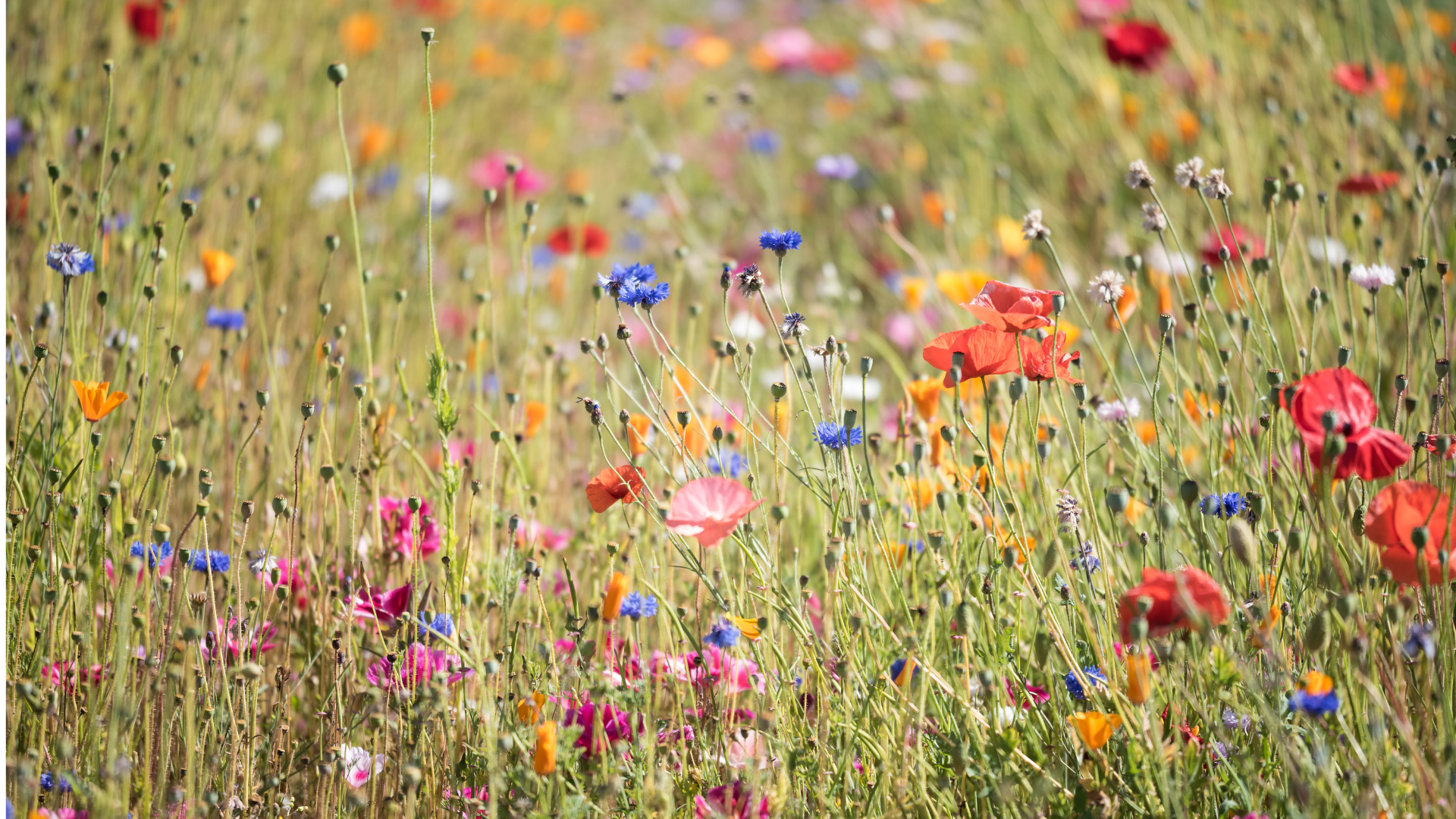
Lady Bird Johnson understood something profound: people protect what they find beautiful. Her lifelong devotion to wildflowers wasn’t decorative; it was strategic, ecological, and deeply rooted in her belief that beauty fosters stewardship.
In the 1960s, she championed the Highway Beautification Act, encouraging the planting of native wildflowers along American roadways. She framed it not as politics, but as care for the land we all share. Her approach was gentle, but her impact was sweeping.
Later, in 1982, she co‑founded the National Wildflower Research Center (now the Lady Bird Johnson Wildflower Center) with actress Helen Hayes. Their mission was simple: preserve and celebrate native plants. Today, that center is a national leader in ecological restoration, native plant research, and public education.
Lady Bird’s worldview was clear:
Beauty is not frivolous. It is foundational.
And when communities embrace native plants, they embrace a healthier relationship with the land.
Her legacy continues every time a gardener chooses a coneflower over an imported hybrid, or a city plants prairie grasses instead of turf. She taught America to see wildflowers not as weeds, but as heritage.

Athens Ladies Garden Club: America’s First
In 1891, twelve women in Athens, Georgia gathered in the home of Mrs. E.K. Lumpkin and formed what would become the first garden club in the United States. They called themselves the Ladies Garden Club, and their purpose was simple: to learn, to beautify, and to serve their community through horticulture.
They were not activists. They were educators, organizers, and civic stewards.
Working with Dr. E.D. Newton, a horticulture professor at the University of Georgia, they established a model for garden clubs nationwide:
- community beautification
- horticultural education
- civic pride
- environmental awareness long before the term existed
Their club became the antecedent of the National Garden Club movement, inspiring thousands of local clubs — including ours — to see gardening as a public good.
What made their work transformative wasn’t scale; it was intention. They believed gardens could elevate a community’s spirit, and they were right. Their influence rippled outward, shaping how towns across America approached beautification, education, and civic identity.
Today, when we host a plant sale, teach a class, or maintain a public garden, we echo their original mission: gardening as community culture.

Carrie H. Lippincott: America’s Pioneer Seedswoman
If Lady Bird Johnson changed how America saw wildflowers, Carrie H. Lippincott changed how America received seeds.
In 1891 — the same year the Athens club was founded — Lippincott launched one of the first mail‑order seed companies run by a woman. Her catalogs were unlike anything else on the market: charming illustrations, cherubic children, soft pastels, and a distinctly feminine aesthetic that welcomed women into the world of horticulture.
Her marketing was revolutionary. She understood that women were already tending home gardens, but the seed industry wasn’t speaking to them. So she spoke directly to women, and her seed packets were beautifully designed to catch the eye.
Her business exploded.
She grew from 6,000 orders in her first year to more than 150,000 within five years.
Lippincott didn’t just sell seeds. She built a community of women gardeners across the country, giving them access to varieties they had never seen and empowering them to experiment, cultivate, and share.
Her seed packets — perfect for illustration in this blog — are artifacts of a moment when American gardening became accessible, joyful, and national in scope.
She proved that horticulture could be entrepreneurial, artistic, and inclusive. And she did it all through flowers.

The Thread That Connects Them, And Us
Lady Bird Johnson, the Athens Ladies Garden Club, and Carrie Lippincott lived in different eras and worked in different ways, but their influence shares a common thread:
They changed communities by changing how people saw plants.
None of them needed political platforms. Their work was civic and cultural, rooted in everyday life. They used gardens to shift worldviews — gently, persistently, and beautifully.
Their legacy lives on in every garden club meeting, every wildflower restoration, every seed packet tucked into a purse or pocket at a plant sale. As members of the Kalamazoo Garden Council, we inherit their tradition of community‑centered horticulture. We continue their work every time we teach a neighbor about native plants, support a school garden, or maintain the beauty of a public space.
Gardening is not small work.
It is worldview work.
And women have been leading it for more than a century.
But the circle is wider now.
Today, people of all ages — men, women, younger adults, new homeowners, balcony gardeners, pollinator enthusiasts, and first‑time seed sowers — are discovering what these women knew all along: that tending a garden is a way of tending a community.
Our clubs, and the Council, are strongest when experience meets curiosity, when tradition meets fresh energy, when long‑time members share wisdom and newer gardeners bring new ideas. The torch doesn’t need to be passed all at once. It can be shared — glowing a little brighter with every hand that holds it.
So whether you’ve gardened for fifty years or fifty days, whether your plot is a backyard, a balcony, or a single pot on a sunny windowsill, there is a place for you here. A place to learn, to teach, to grow, and to belong.
The garden has always welcomed everyone.
And so do we.